Gallery
Images from my journal papers, newest first. Click an image to open the paper.
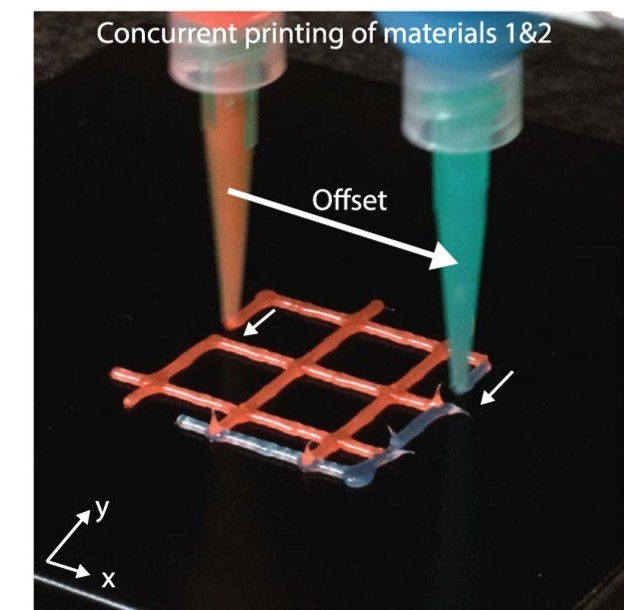
What: A planner for printing multimaterial lattices with several fixed-offset nozzles printing at the same time.
How: I cast toolpath planning as a Rural Postman Problem on the lattice graph shifted by each nozzle’s offset, then solved it with matching and an Eulerian circuit and exported G-code.
Why: Graph routing gives near-optimal continuous paths with few non-printing jumps, cutting print time by up to 18%.
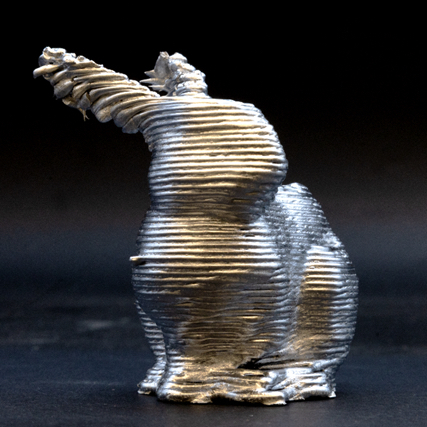
What: Stable metal extrusion printing of thin-walled aluminum-alloy parts.
How: I used thermal modeling of the part during printing to set the process parameters.
Why: Thin walls trap heat and slump. Choosing parameters from thermal information replaces trial and error.
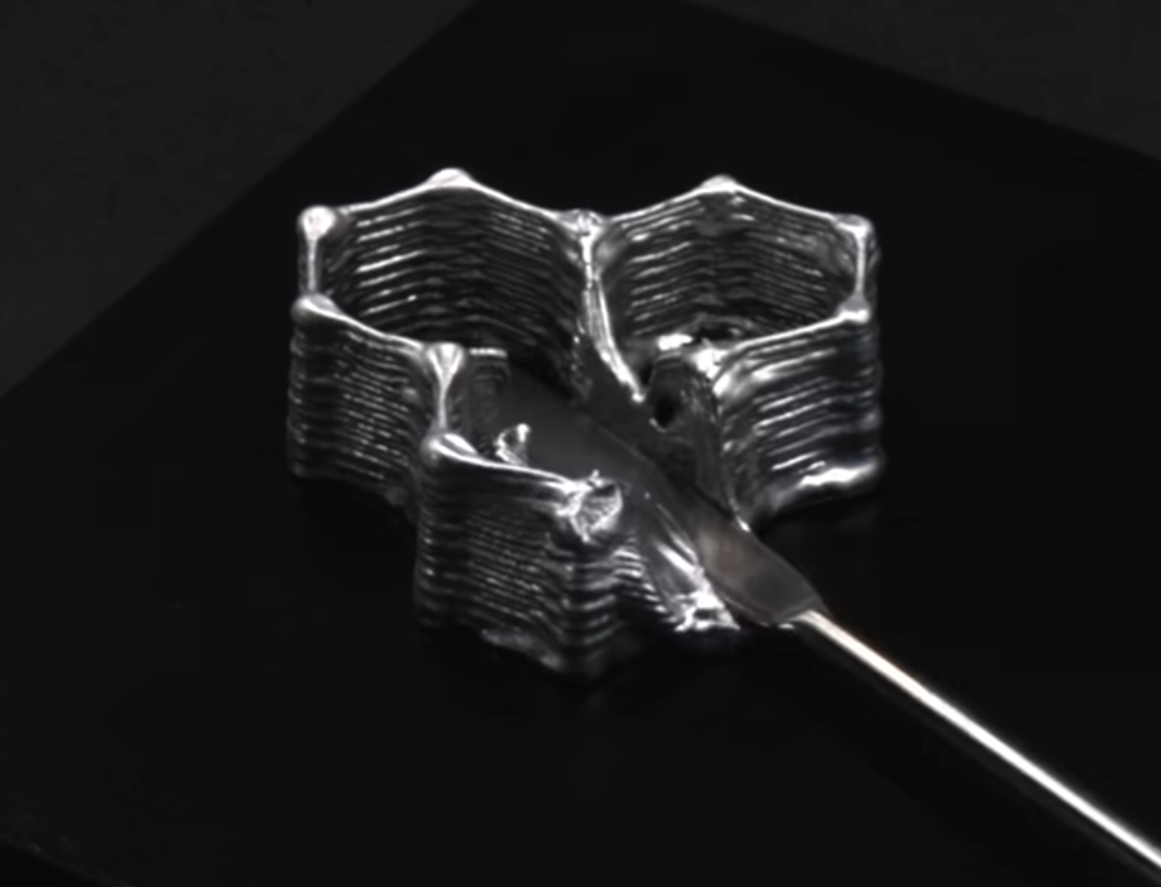
What: A 3D-printable liquid metal foam.
How: I emulsified oil into liquid metal to make a paste-like ink for direct ink writing.
Why: Bare liquid metal beads up and won’t hold a shape. The emulsion makes it printable into free-standing structures.
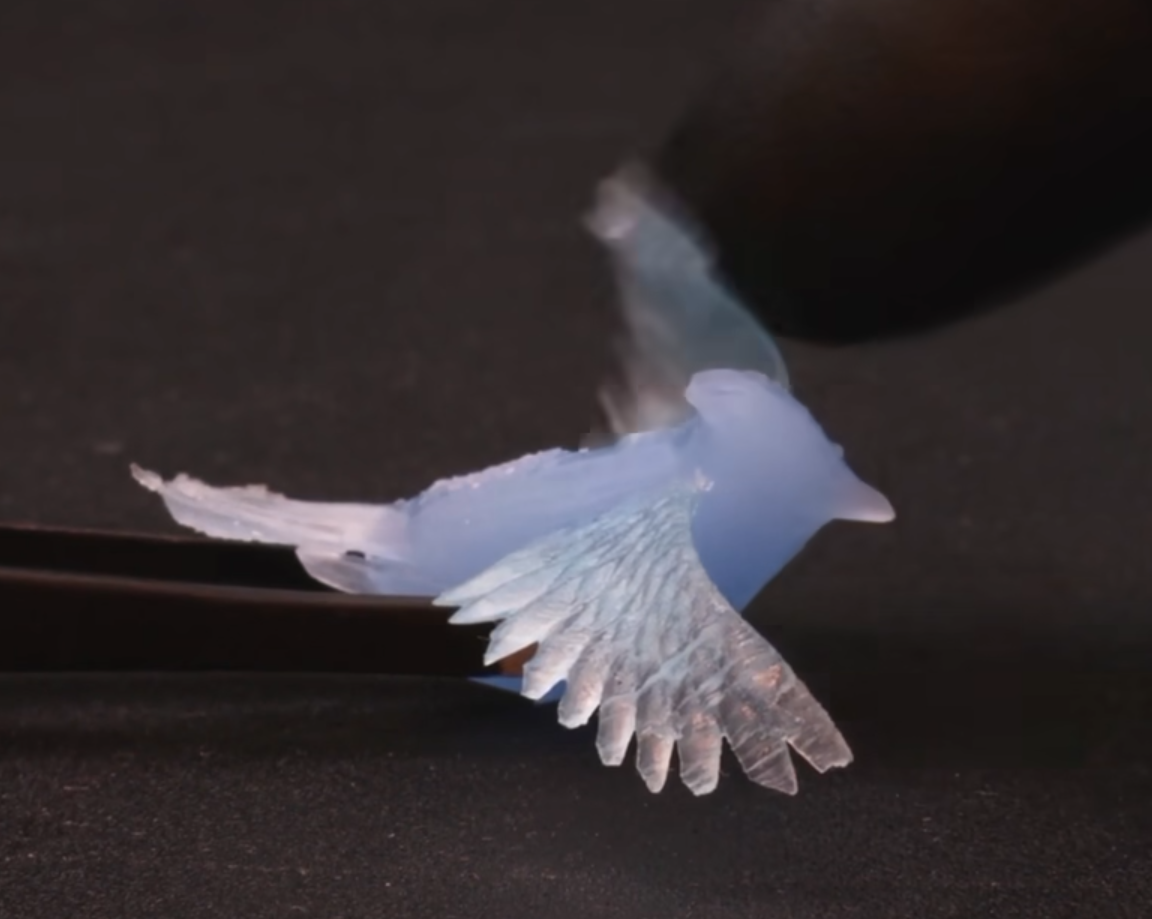
What: A thiol-ene resin family whose stiffness spans five orders of magnitude and two full Shore hardness scales.
How: I paired two extreme formulations with very different cross-link densities but the same curing chemistry. They can be blended for intermediate properties or mixed in situ for continuous gradients.
Why: A shared curing mechanism keeps every blend printable, so one print can go from soft to rigid without manual assembly.
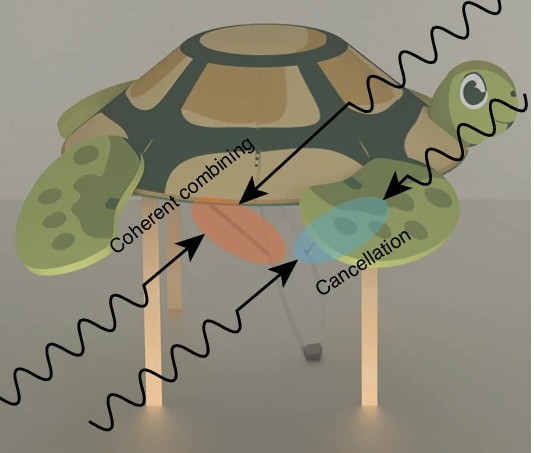
What: Wireless, frequency-selective actuation of soft robots with 2.4 GHz radio waves, even around obstacles.
How: I made liquid crystal elastomer (LCE) actuators with a low actuation temperature, embedded with traces that resonate and heat at chosen frequencies. A beamforming platform steers power to them.
Why: Tuning each actuator to its own frequency lets one transmitter drive them independently, without batteries, wires, or line of sight.
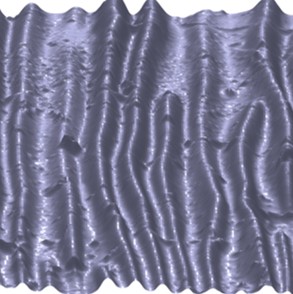
What: Electrically controlled surface wrinkles of 17–45 μm, formed within 30 s at about 1 V.
How: I built an LCE–elastomer bilayer with embedded liquid-metal ink. Joule heating actuates the LCE and wrinkles the bilayer.
Why: Low-voltage electrical heating can be controlled locally, and the all-soft build lets cells tile into arrays that conform to curved surfaces.
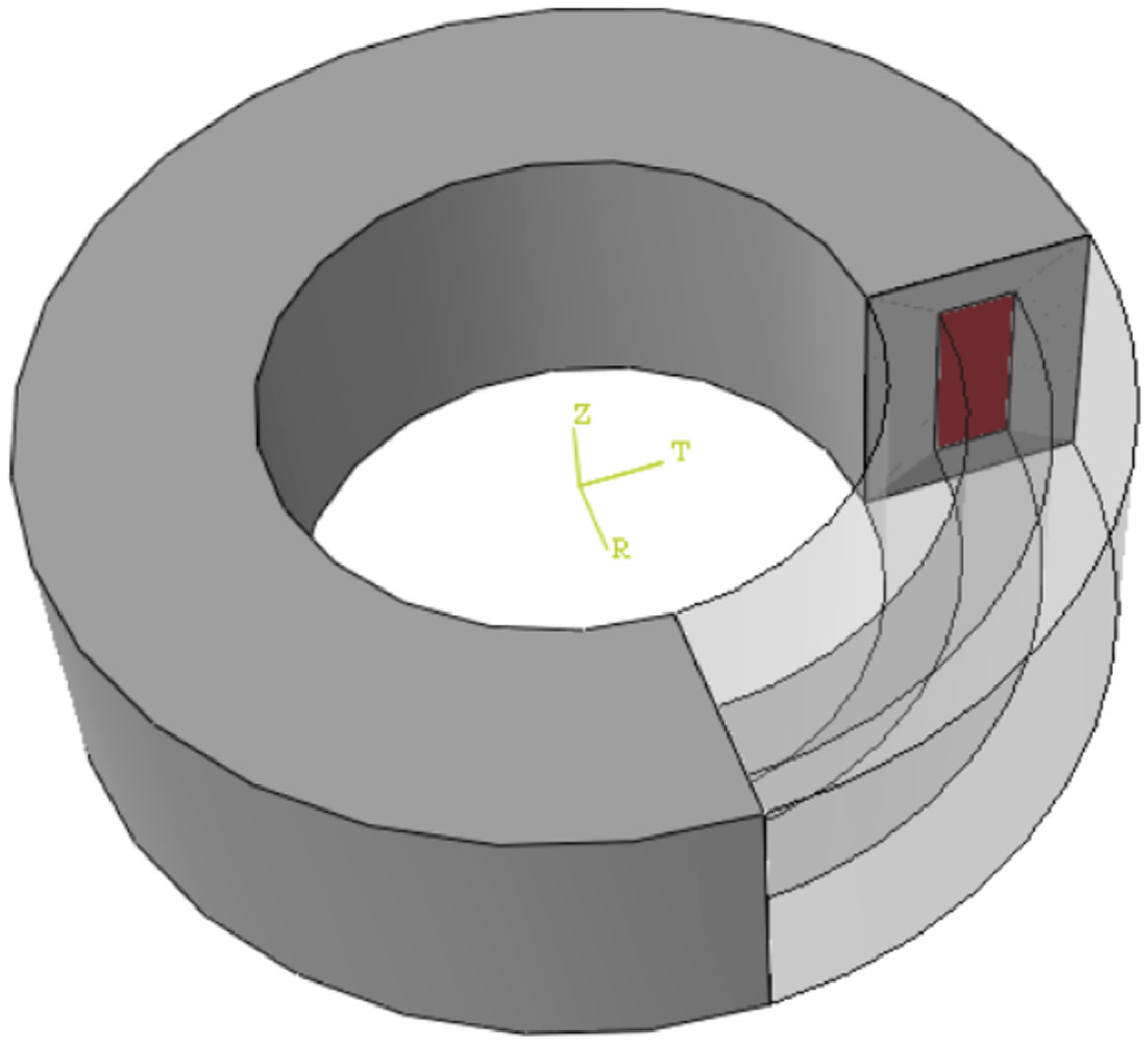
What: A closed-form elastic solution for a rotating bi-material ring cooled below its manufacturing temperature.
How: Superposition of a particular solution for rotation and a stress-function solution for the thermal mismatch, checked against numerical results.
Why: A closed form gives stresses instantly and shows how geometry and materials drive them.